Navigate complex cultural clashes and bridge identity divides using proven mediation strategies to foster a cohesive, respectful, and highly collaborative work environment.
Workplace conflict is increasingly shaped by issues of identity, culture, inclusion, and competing rights. Employers, employees, and their advisers are navigating disputes that may involve protected attributes, religious beliefs, gender identity, cultural differences, workplace conduct expectations, and psychosocial safety obligations. These matters rarely fit neatly within a single legal framework and often require careful consideration of discrimination law, workplace relations obligations, safety requirements, and broader organisational culture.
This course provides Australian legal practitioners with a practical framework for understanding and managing identity-based and culture-based workplace disputes. The session examines how workplace conflicts develop, the legal risks that arise when competing rights intersect, and the role of mediation and early intervention in resolving disputes before they escalate into formal proceedings. Participants will gain practical insight into advising clients, managing legal and reputational risk, and supporting dispute resolution processes that are both legally sound and culturally informed.
Key Topics Discussed:

Mediation • Facilitation • Leadership & Workplace Culture
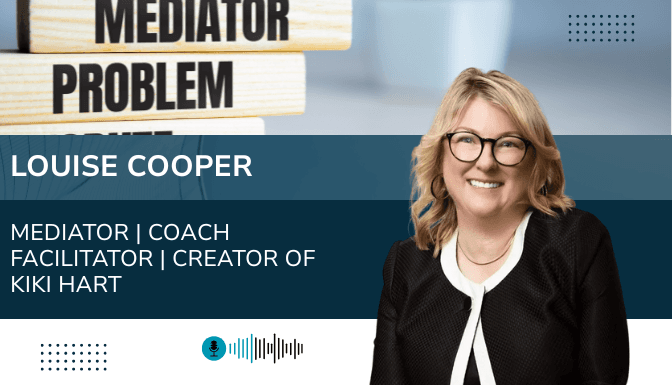
Louise Cooper is a mediator, facilitator, coach and consultant specialising in workplace communication, conflict resolution and human dynamics in modern organisations. With a background in law and psychology, she spent more than 16 years practising as a solicitor in civil litigation before moving into mediation and consulting full time. Accredited as a mediator in 2006, Louise works across workplace, commercial, contractual, community and organisational disputes. Her approach combines practical resolution skills with a deep understanding of communication, behaviour, systems and workplace culture. Louise also designs and delivers training and facilitated workshops on topics including communication, conflict confidence, leadership, psychological safety, team dynamics, trauma-informed workplaces and supporting change in complex environments. Her work focuses on helping people navigate difficult conversations, competing perspectives and evolving workplace expectations with greater clarity and confidence.
